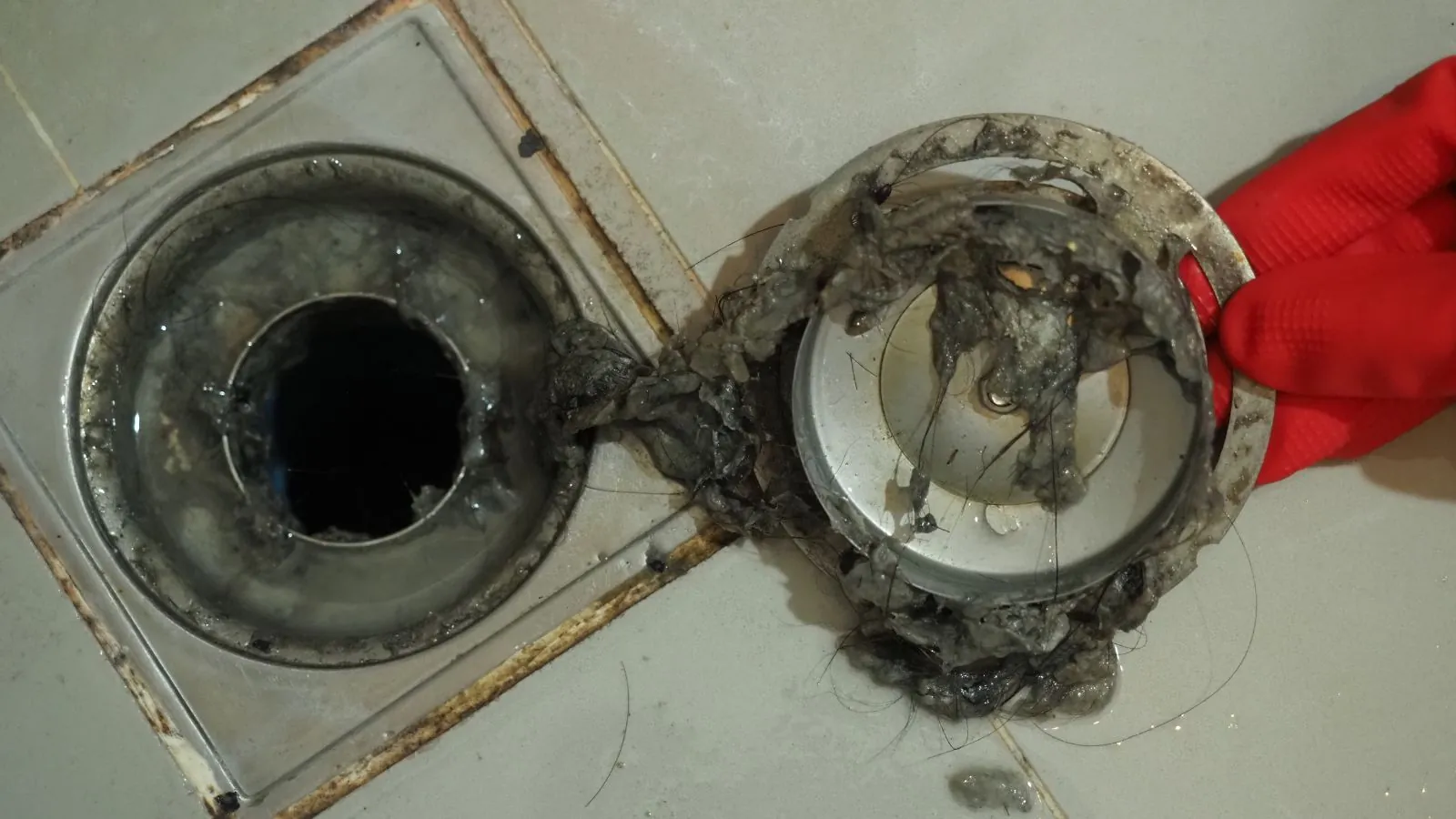
Sewage backup cleanup removes contaminated water that has come up through a floor drain, toilet or tub from the sewer line, and sanitizes everything it touched. Sewage backup cleanup in Derby, KS is a contamination job, so crews wear protective gear, remove porous materials and treat the area. The restoration industry calls this Category 3 water, which means it should be treated as unsafe.
Stop running water in the house, since every flush and load of laundry sends more down the line. Stay out of the area and keep children and pets away. Call dispatch before you try to clean it yourself, because bleach and a mop are not enough for contaminated porous materials.
Sewage backup: what to do first
The line is open 24/7 for sewage calls. A same-day visit is possible when a crew is free, and the call taker will ask where the water is and whether it is still rising. Do not wait for it to dry.
Stop using water
Do not flush, run the washer or use sinks until the line is cleared.
Keep people away
Children, pets and anyone with a weak immune system should stay out of the room.
Leave electrical alone
If water touches outlets or the panel, call the utility or 911 before calling us.
Sewer backup: what the crew sees
A backup usually means a blockage in the main line, tree roots, or a municipal main that is overloaded. Your plumber or the sewer utility clears the line. The restoration crew treats the home. If the backup came from a main line outside the house, the city or utility may need to hear about it.
Derby is a city served by public sewer, and the City of Derby main line at 316-788-1519 can direct you to the right department for a street side problem. For a private line on your property, a plumber is the right first call.
Signs of a sewer line problem
- Gurgling toilets or drains after heavy water use.
- Slow drains in every fixture at once.
- A sewer smell in the basement or garage.
- Water coming up a floor drain when you run the washer.
- A wet spot in the yard over the sewer line.
How crews clean up sewage
Crews extract the water in protective gear, remove porous materials such as carpet, pad and wet drywall that cannot be cleaned, and haul them out. Hard surfaces are cleaned and treated with an antimicrobial, then dried with air movers and dehumidifiers. Air scrubbers may run during the work.
Because the water is contaminated, the crew does not try to save everything. They will explain what is staying and why. The drying phase follows the structural drying and dehumidification page.
Water categories at a glance
| Category | What it is | Handling |
|---|---|---|
| Category 1 | Clean water from a supply line | Extract and dry |
| Category 2 | Gray water such as washer drain | Extract, clean, dry |
| Category 3 | Sewage and flood water | Remove porous items, sanitize, dry |
What affects the cost
Scope and price are explained before the crew begins. Contributing factors:
- Volume and area reached by the backup.
- Materials that must be removed and disposed of.
- Whether the backup crossed into finished rooms.
- Drying days, air scrubbing and equipment.
- Rebuild work afterward.
The Kansas Insurance Department warns that not all policies cover sewer backup from flooding, and that sump pump failure is another gap, so ask your insurer about a water backup endorsement. Consumer questions can go to its Consumer Assistance Division at 800-432-2484. For your own estimate, call dispatch.
Sewage in the house? Stay out and call the 24/7 line.
☎ Call (316) 535-3098Protecting your household while cleanup is planned
Keep children, pets and anyone with a weak immune system away from the affected area. Wash hands with soap and water after any contact, and do not eat or drink in the area. Avoid running water down drains that are backing up, because it adds to the problem.
Wear waterproof boots and gloves if you must enter the room. Do not run a household vacuum on sewage. A crew uses extraction units built for contaminated water and disposes of the waste properly.
Safety and the standard for sewage
Sewage is Category 3 under ANSI/IICRC S500. Do not touch it with bare hands, do not run water down backed up drains, and keep children and pets out. Porous materials that touched sewage are usually removed, and hard surfaces are cleaned and sanitized.
Common questions
Do you handle sewage backup emergencies at night or on weekends in Derby?
Yes. Backups happen at any hour, so the line is open 24/7. A same-day visit is possible when a crew is free.
Is sewage dangerous?
Sewage carries bacteria and should be handled with protective gear. Keep people and pets out, and speak to a physician about any health concerns after contact.
Is sewage backup covered by homeowners insurance?
The Kansas Insurance Department notes that not all policies cover sewer backup. Ask your insurer whether you have a water backup endorsement.
Will the crew clear the sewer line?
A plumber or the sewer utility clears the blockage. The crew handles extraction, removal, sanitizing and drying.
Sewage in the house? Stay out, stop using water and call the 24/7 line.
☎ Call (316) 535-3098