Kitchen water damage restoration is the drying and repair of water damage to cabinets, countertops, flooring and walls in a kitchen. Kitchen water damage restoration in Derby, KS usually starts under the sink, behind the dishwasher or at the refrigerator line, and spreads into the cabinet base and the subfloor. Cabinets made of particleboard swell and fall apart if they stay wet, which is why speed matters.
Close the valves under the sink or the main shutoff, and mop what you can reach. Empty the cabinet under the sink and pull stored items away from the wet area. Leave outlets and power strips alone if they are wet.
Kitchen water damage: what cabinets and floors need
The line is open 24/7. Same-day visits are possible when a crew is free. Kitchens with active leaks are urgent, but a kitchen that sat damp for days is also worth a call today.
Where kitchen water comes from
- A supply line or fitting under the sink that drips onto the cabinet floor.
- A dishwasher drain or inlet that leaks behind the kick board.
- A refrigerator ice maker line.
- A pipe in an exterior wall.
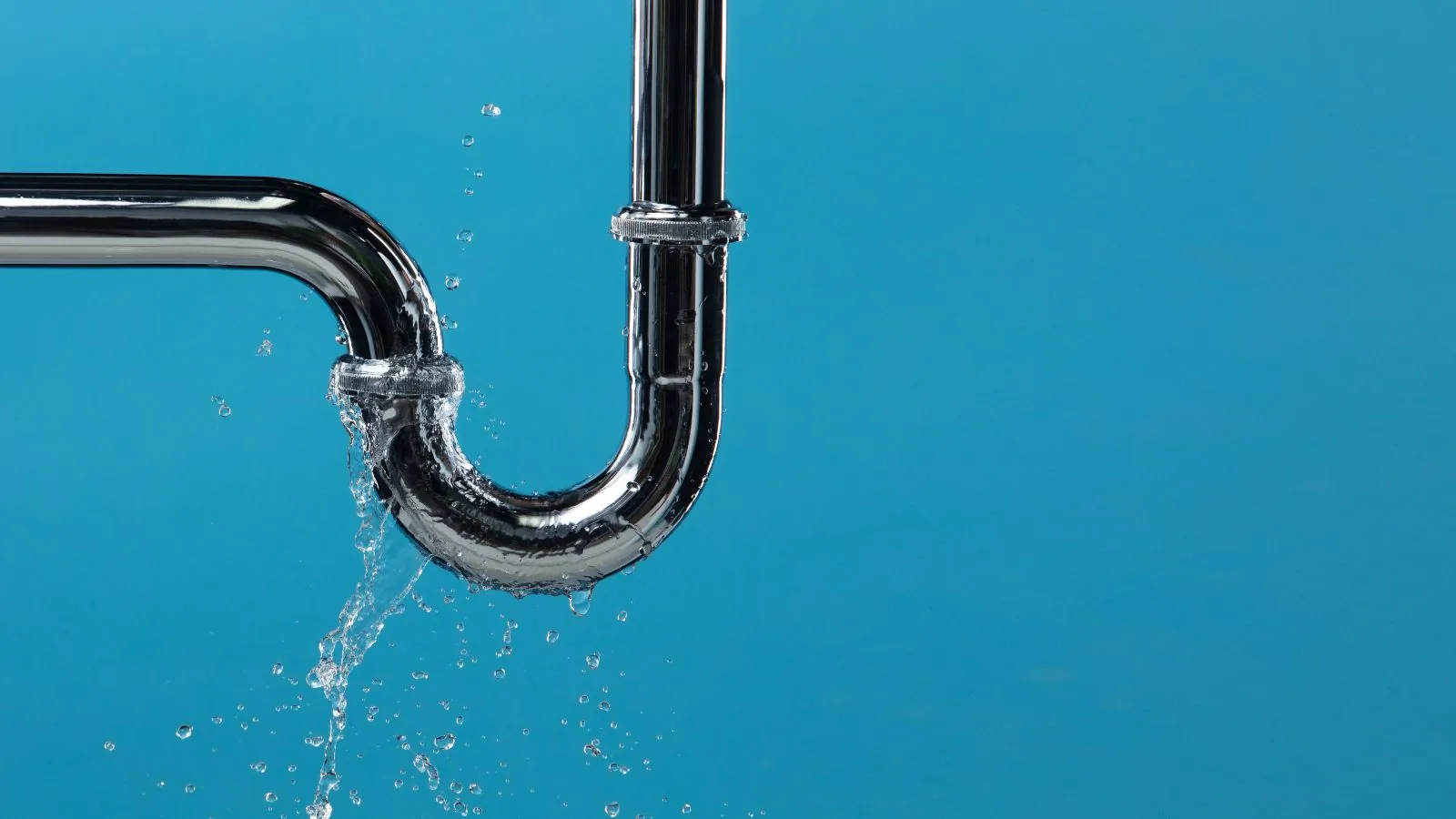
- A slow leak in a sink drain trap.
Appliance failures have their own page, appliance leak water damage, while a pressurized pipe break is covered under burst pipe damage. This page focuses on what happens to cabinets, countertops and floors.
What water does to a kitchen
Cabinet boxes made of particleboard swell at the base and lose strength, while solid wood and plywood cabinets can often be dried. Laminate countertops delaminate at wet seams. Flooring under cabinets gets wet and stays wet, because the cabinet blocks air. Insulation and the lower drywall wick water upward.
Each material has its own decision point, so the crew checks cabinet bases, the toe kick and the subfloor with a moisture meter before deciding what to remove.
What the crew does
Water is extracted, the toe kick is removed to open the cabinet base and a moisture meter maps the wet zone. Air movers and dehumidifiers dry the cabinet base and the floor. If a cabinet cannot be dried, the crew removes it in sections and keeps the countertop intact where possible.
The drying step matches the process on the structural drying page. Floors that buckle are covered on the hardwood floor page.
Kitchen materials and decisions
| Material | Water response | Typical decision |
|---|---|---|
| Particleboard cabinet base | Swells, loses strength | Often replaced |
| Plywood or solid wood cabinet | Can dry if caught fast | Dried, then checked |
| Laminate countertop | Seams swell and lift | Replace seam or section |
| Vinyl or tile floor | Water travels under the surface | Check the subfloor, lift if wet |
What affects the cost
You get the scope and the price before work starts. Cost depends on:
- How long the cabinet and floor stayed wet.
- Cabinet material and how much needs to be removed.
- Flooring type and whether it runs through to other rooms.
- Drying days and equipment.
- Cabinet, countertop and flooring replacement.
A sudden pipe or appliance failure is often covered while a slow leak under a sink often is not. Read your policy and ask your insurer. For a number tied to your kitchen, describe it to dispatch.
Cabinets soft or floor wet? Call dispatch for an assessment.
☎ Call (316) 535-3098Dishwashers, sinks and refrigerators
The three most common kitchen sources are the dishwasher supply or drain, the sink supply lines and the refrigerator ice maker line. All three leak slowly, often behind a cabinet or under a toe kick, so the first sign is often a soft floor edge or a swollen cabinet base.
Pull the appliance out only if it is safe to do so, and photograph what you find. A crew can then check moisture in the floor, the cabinet bases and the wall behind. If the leak is slow, expect the damage to be wider than the visible stain.
What to do first in a wet kitchen, and the drying standard
Turn off the dishwasher and close the sink shutoff, unplug small appliances only from dry outlets and do not stand on a wet floor near the stove. ANSI/IICRC S500 guides how cabinets, subfloors and walls are dried.
Common questions
Do you handle kitchen water emergencies at night or on weekends in Derby?
Yes. The line is open 24/7. A same-day visit is possible when a crew is free, and the call taker will ask about the source and the flooring.
Can wet cabinets be saved?
Sometimes. Solid wood and plywood can often be dried. Particleboard that has swollen usually cannot.
How do I know if water is under my kitchen floor?
Look for a soft spot, a raised seam, a musty smell or a cabinet kick board that feels wet. A moisture meter confirms it.
Will you replace my cabinets?
The restoration crew removes damaged cabinet sections and dries the area. Replacement cabinets and countertops are rebuild work and are scoped separately.
Kitchen floor or cabinets wet? Call dispatch for a crew assessment.
☎ Call (316) 535-3098